










Why Collect Japanese Vintage Watches?
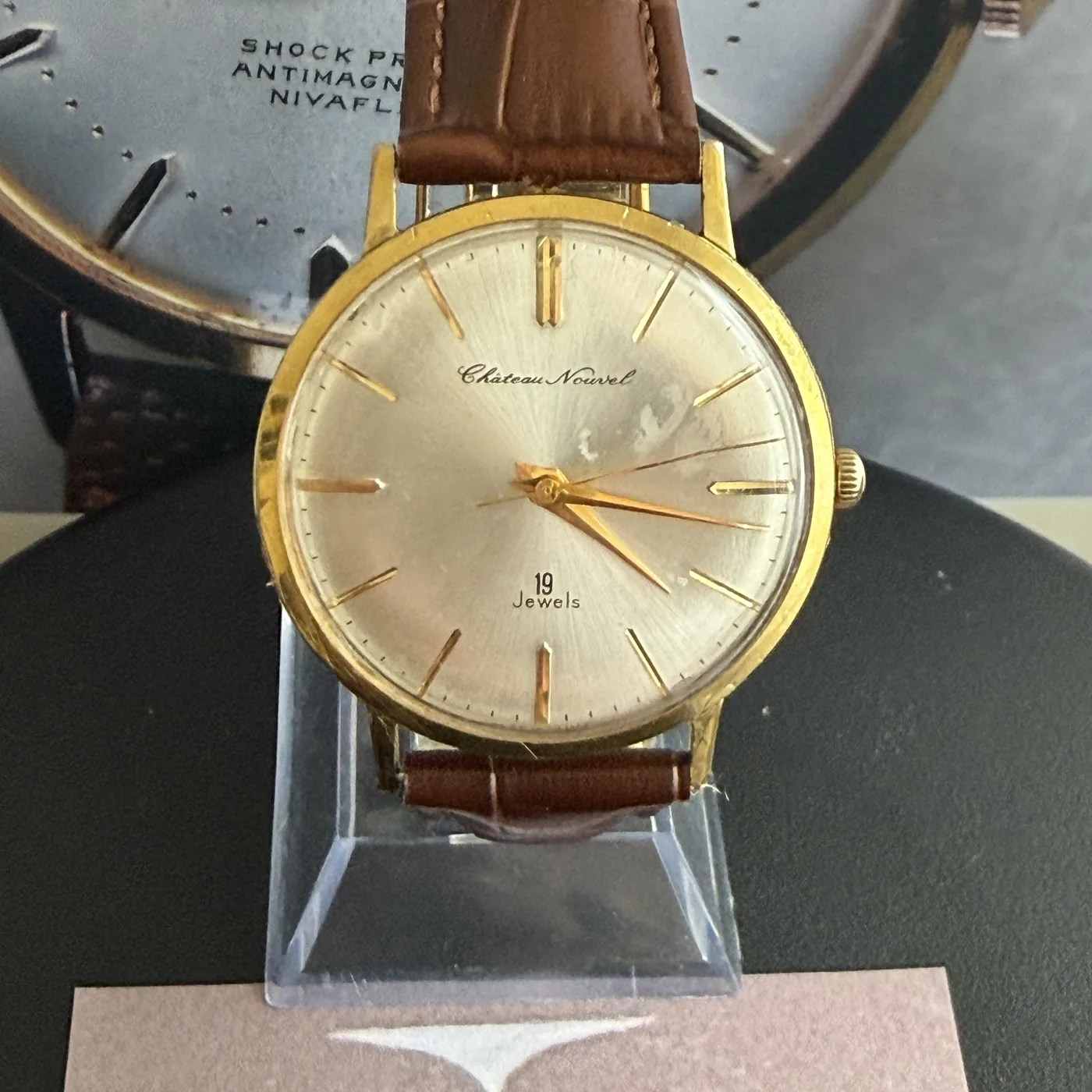
In the 1950s and 60s, Japanese watchmakers set out to match the Swiss, and within a few years they did. Seiko's chronometers began beating Swiss entries at observatory competitions, Citizen and Orient built automatics with record jewel counts, and smaller makers such as Takano and Ricoh produced beautifully finished watches in small numbers.
Because most of these watches were made for the Japanese home market, they are far less known in Europe and America than Swiss watches of the same age. That is exactly what makes them interesting: you get an in-house mechanical movement, a well-made case and an honest piece of history, often for a fraction of the price of a comparable Swiss watch.
The Makers in Our Collection
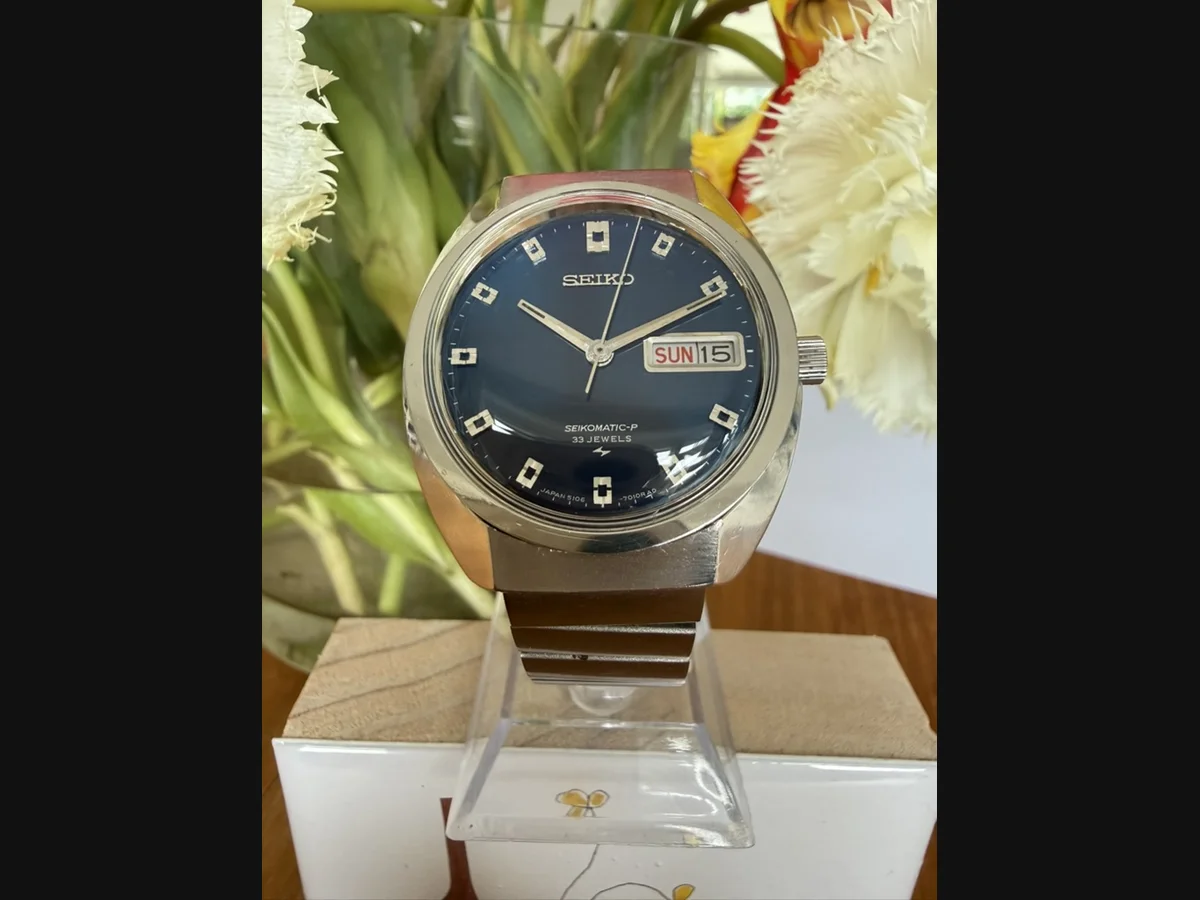
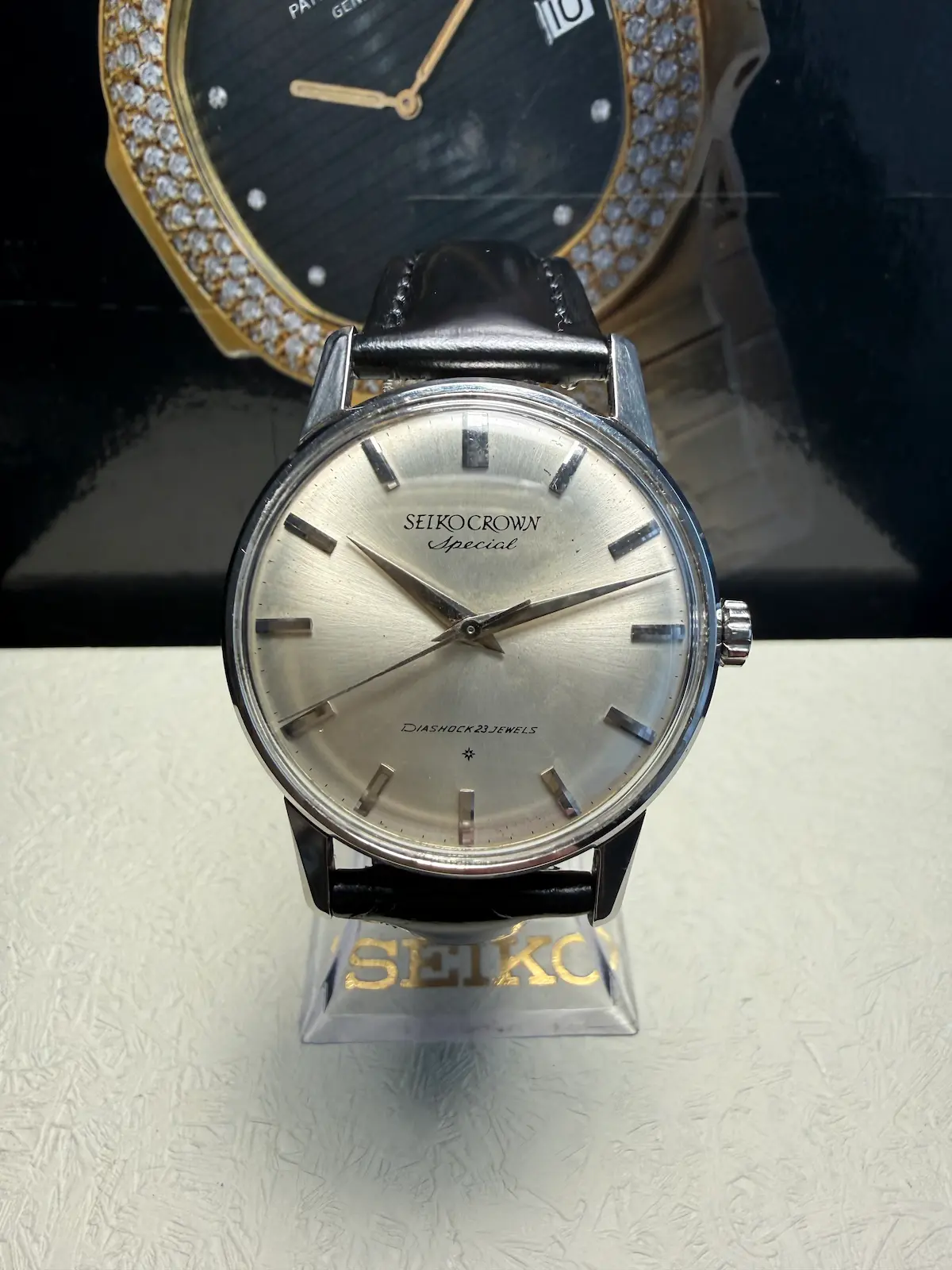
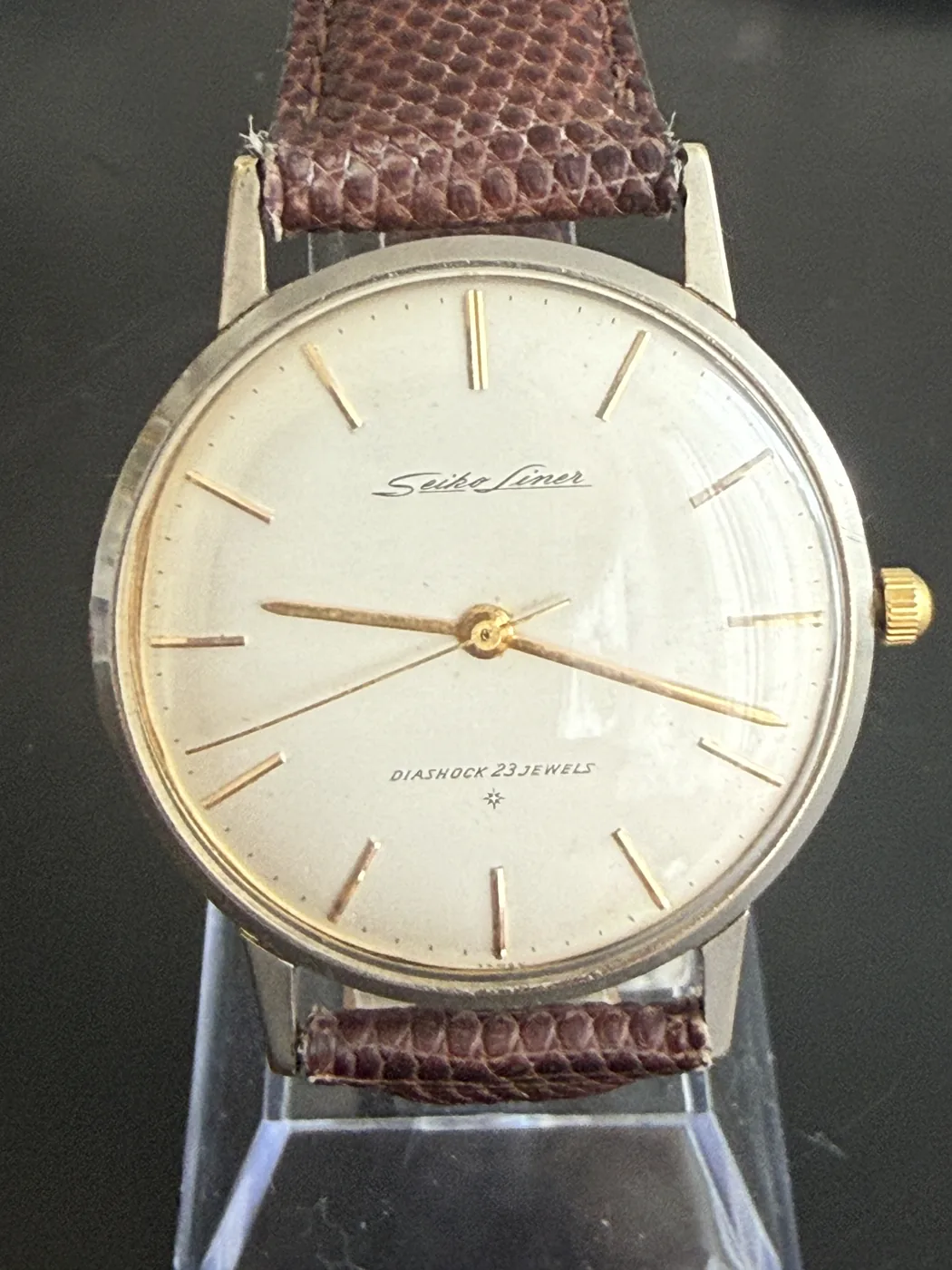
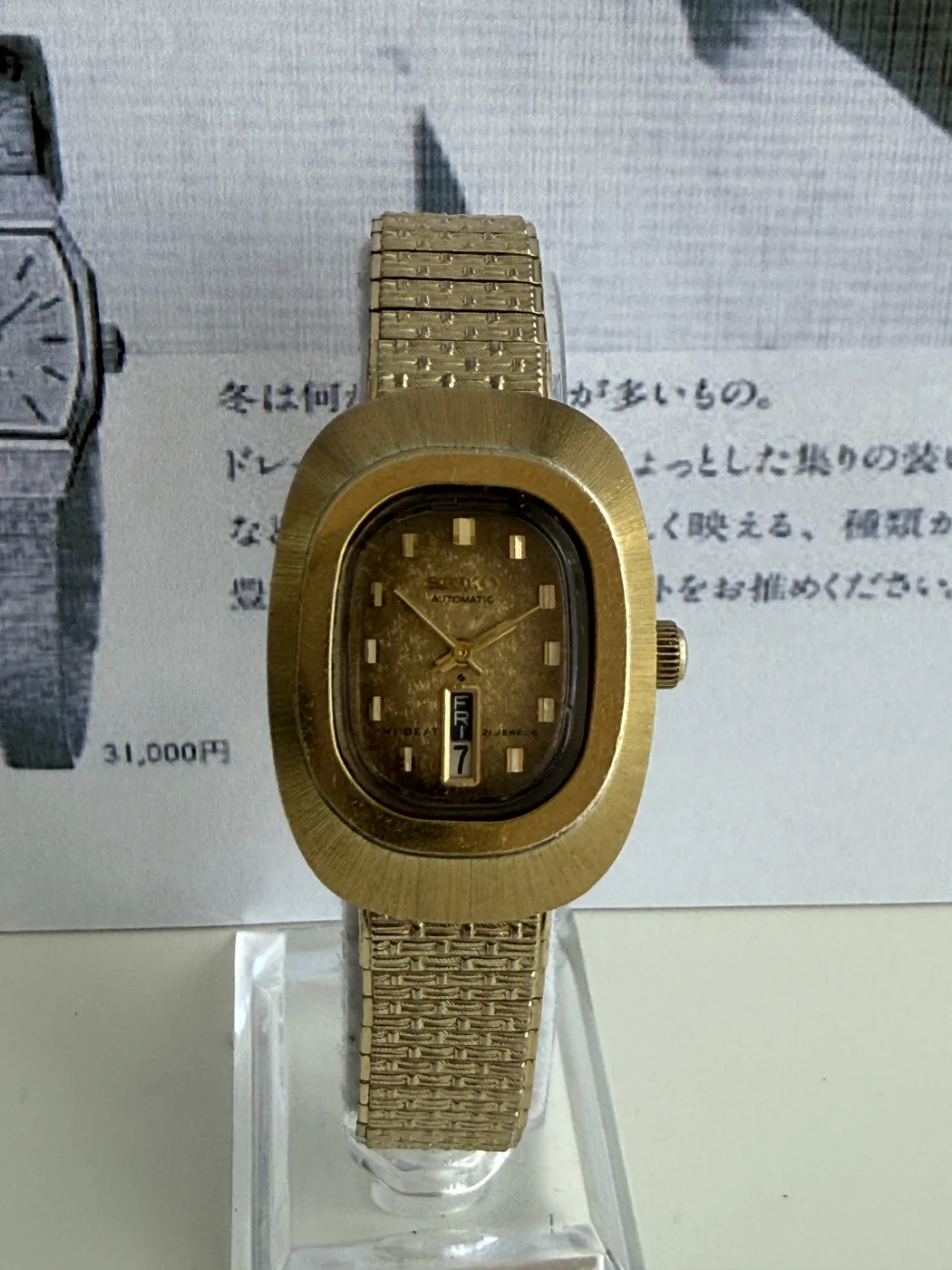
Seiko — Japan's best-known watchmaker, with two rival factories, Suwa and Daini, that competed to build the best movements. In our shop you will find Marvels, Seikomatics, Crown Specials, a King Seiko and more. Read about the rivalry between the factories in our Seikomatic-P vs Seikomatic-R story.
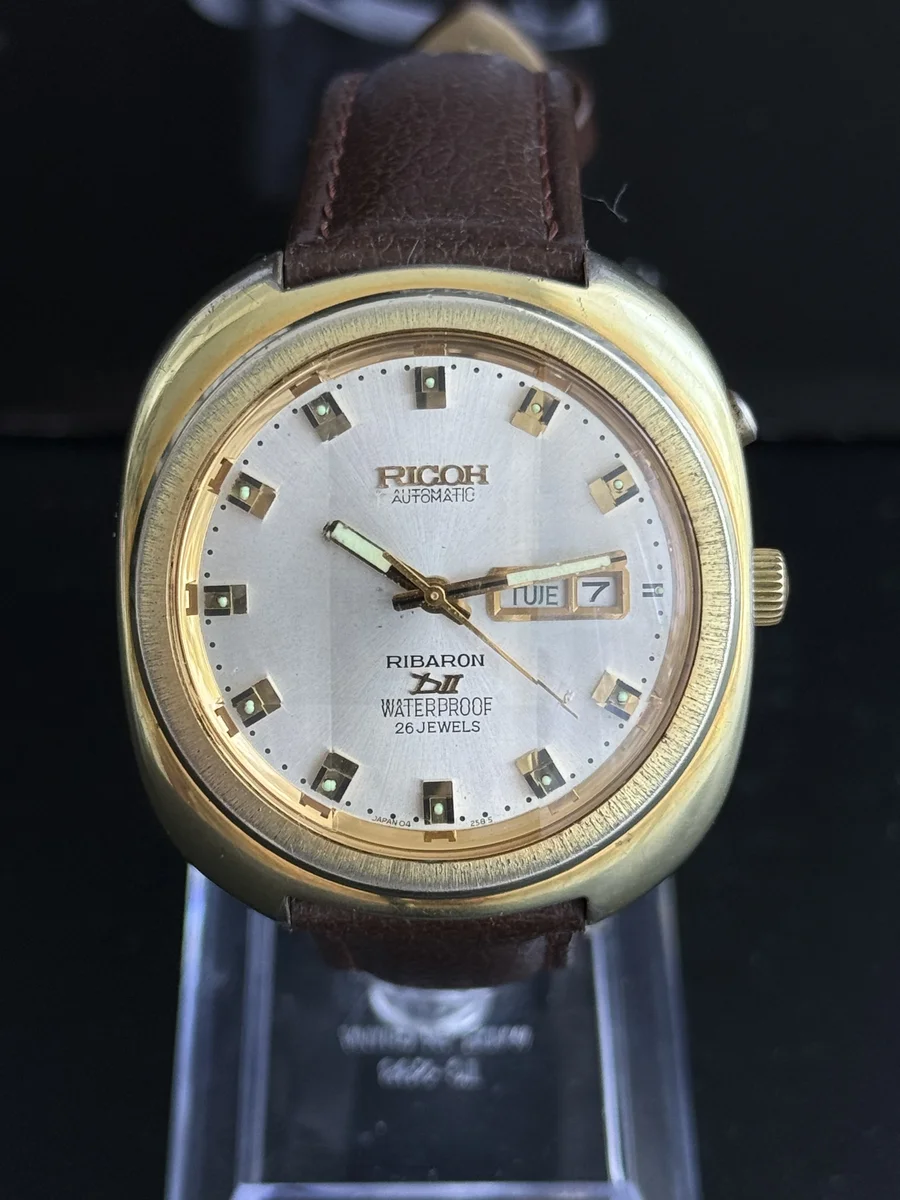
Ricoh — the watch division of the Ricoh camera company, which took over Takano in 1962 and built the Dynamic Auto and Dynamic Wide automatics, nicknamed the "poor man's Rolex".
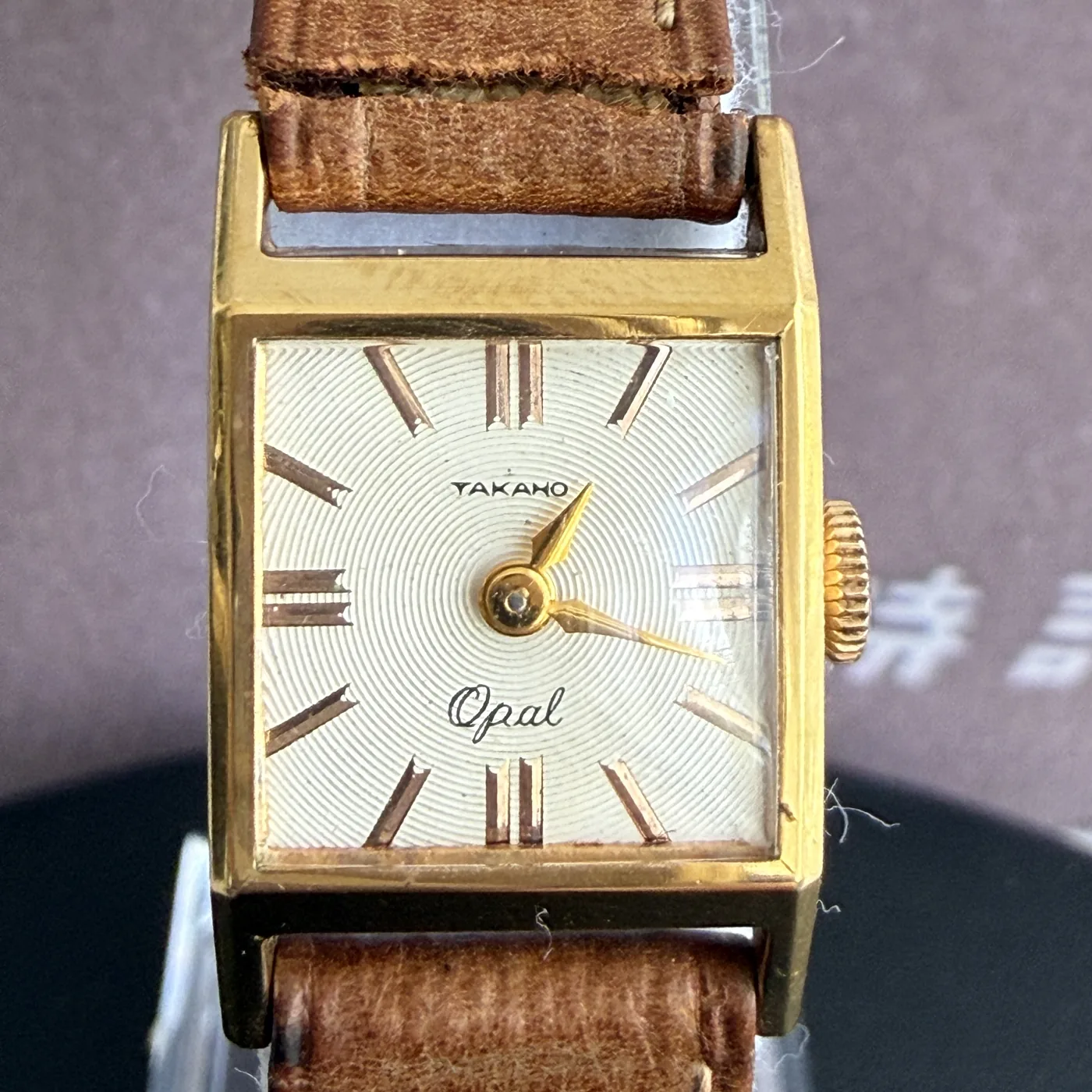
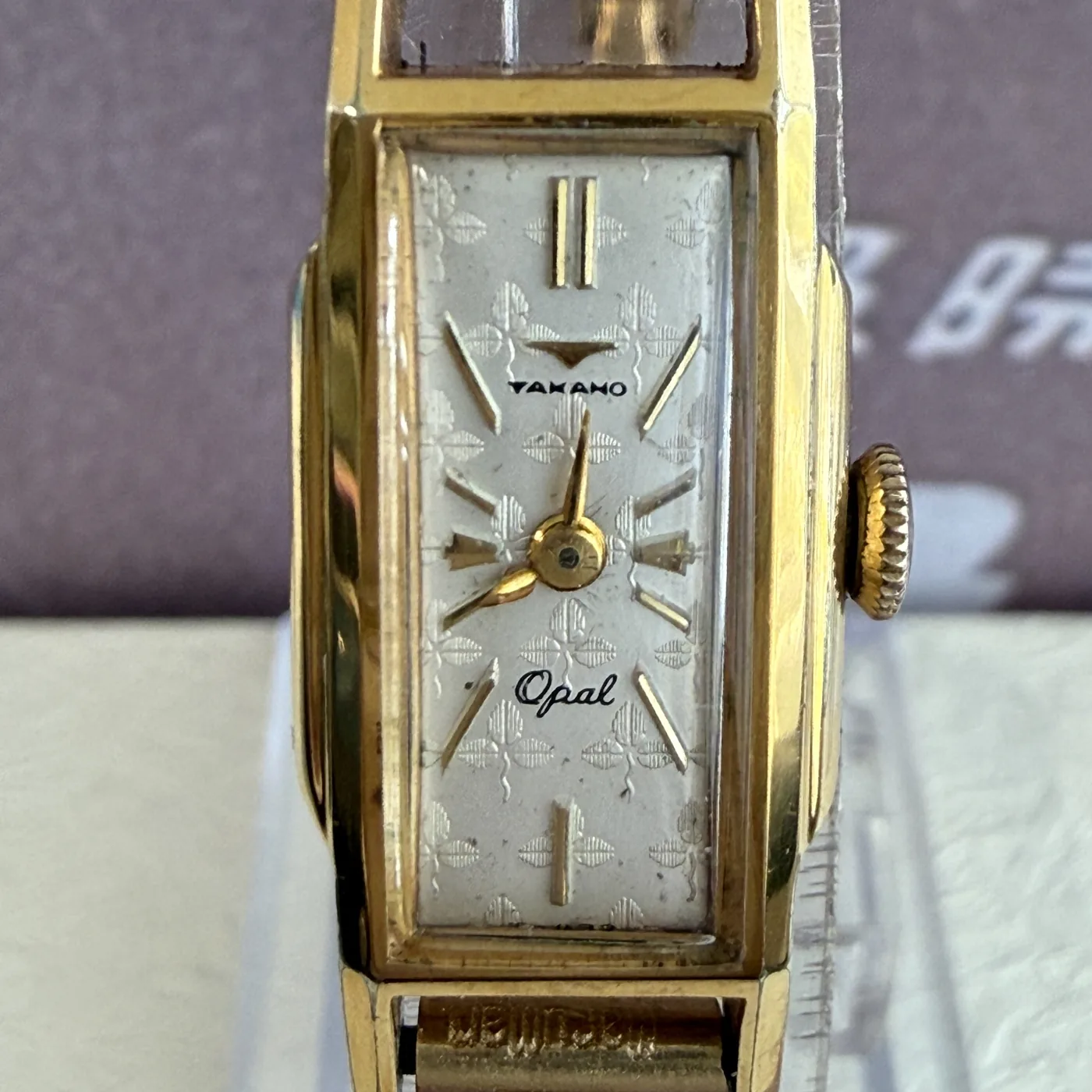
Takano — Nagoya's "phantom watchmaker". Takano made wristwatches under its own name for barely five years (1957–1962) before Ricoh took over, so a Takano Chateau is one of the rarest Japanese watches you can own.
Citizen — from the Super Deluxe and Homer of the 1950s to the Jet Autodater and the Leopard hi-beat watches of the early 1970s.
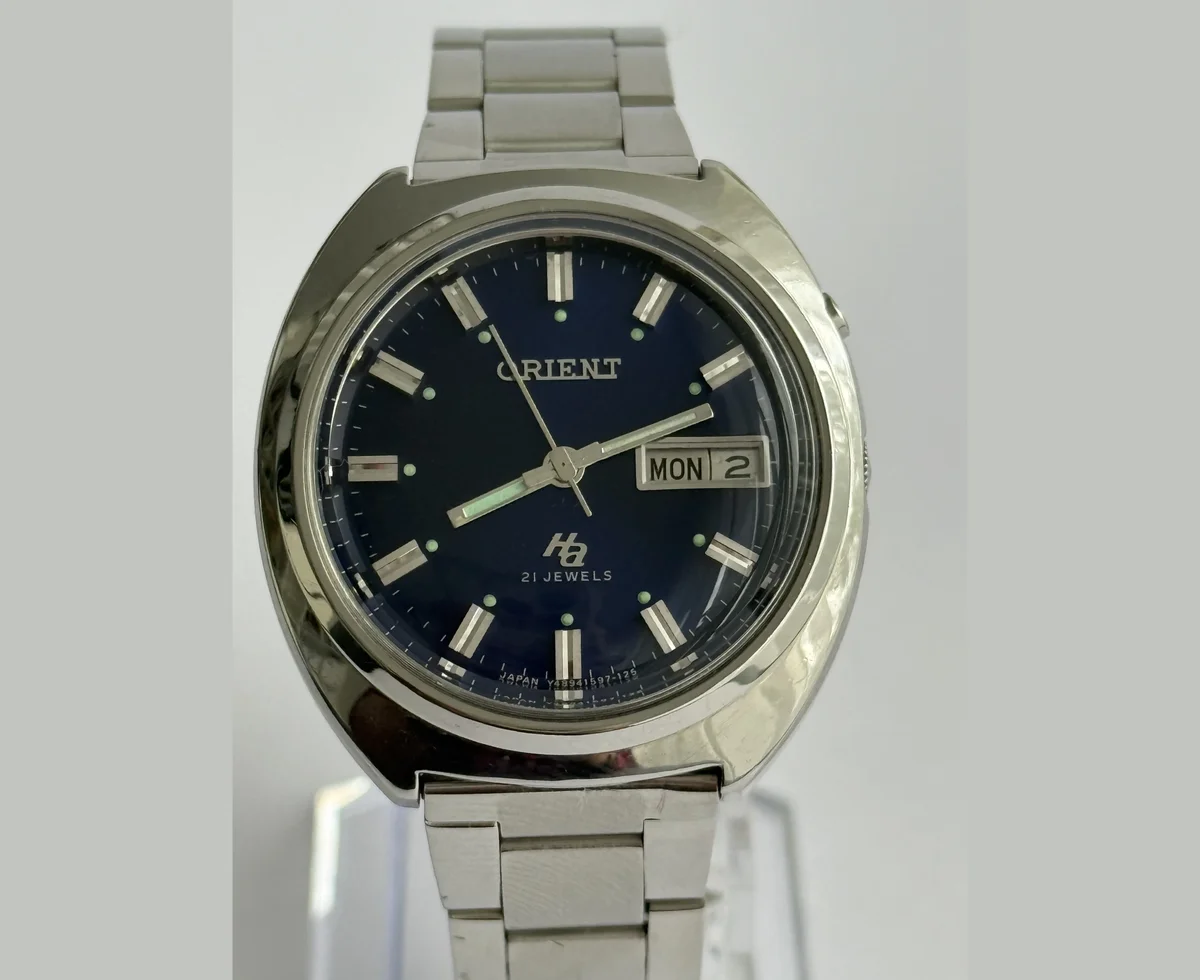
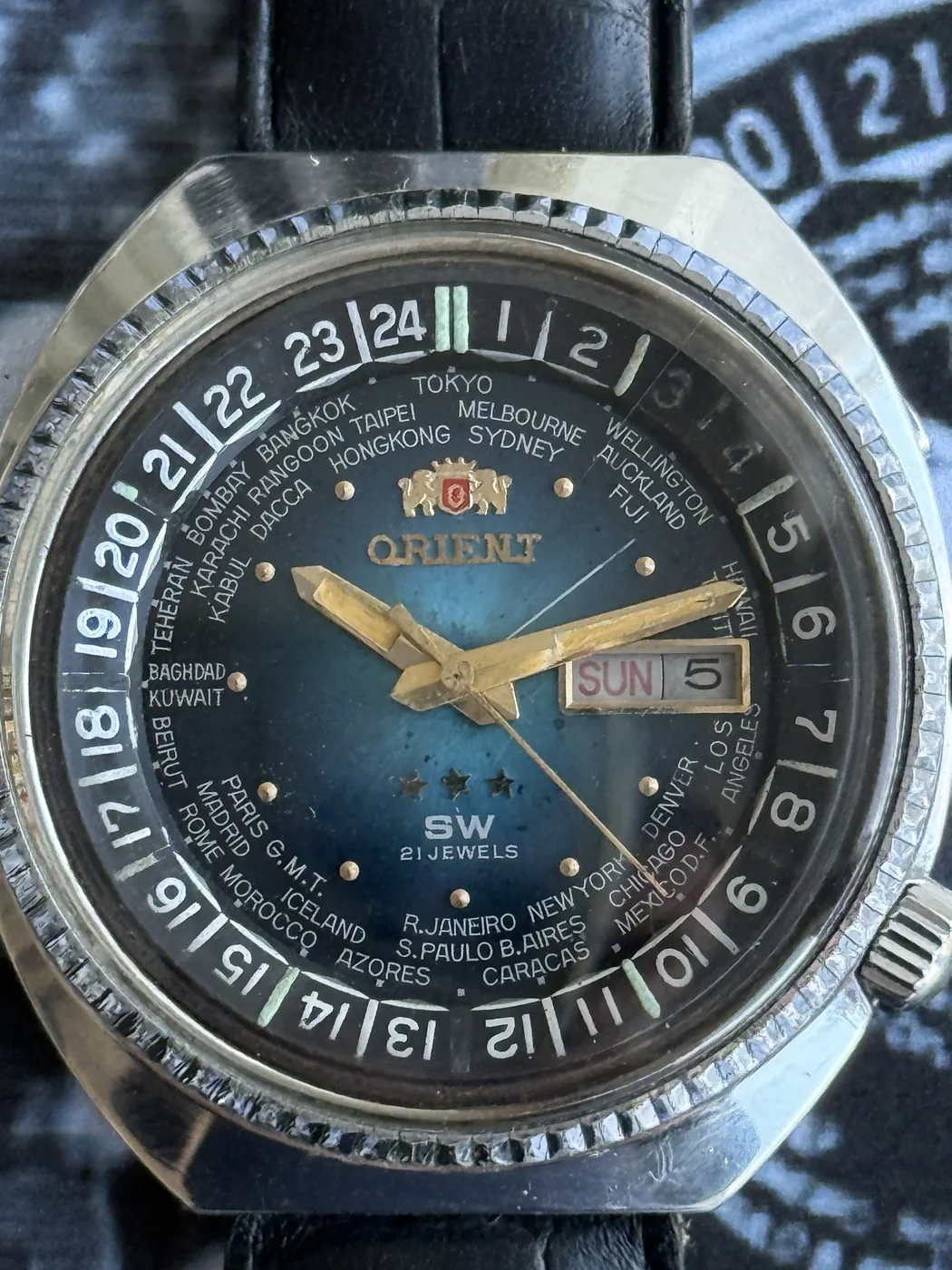
Orient — founded by Shogoro Yoshida, and famous for the Grand Prix 100-jewel automatic. We have early Orient automatics and the Royal Calendar in stock.
What to Look for When Buying a Japanese Vintage Watch
- Originality — an original dial, hands and crown are worth far more than replacement parts. Redialled watches are common, so look closely at the printing.
- Condition you can see — buy from a seller who shows the watch in detail: the dial up close, the case from every side, the caseback and ideally the movement. Every watch in our shop has its own set of photos.
- Running and timekeeping — ask how the watch runs. We wear and check our watches before listing them, and describe what we find.
- Water resistance — after 50 years or more, gaskets are tired. Treat any vintage watch as not water-resistant unless it has been serviced and pressure-tested.
- Return right — a fair seller lets you return a watch. With us you have a 14-day right of return; see our return policy.
Shipping and Buying
We are a registered Dutch business and ship worldwide from the Netherlands, fully insured and in professional packaging. Shipping starts at €15. You can pay securely by card through Stripe with the Buy Now button on each watch's page, or send us a question first with the Enquire button. For buyers outside the EU, import costs and VAT are the buyer's responsibility.