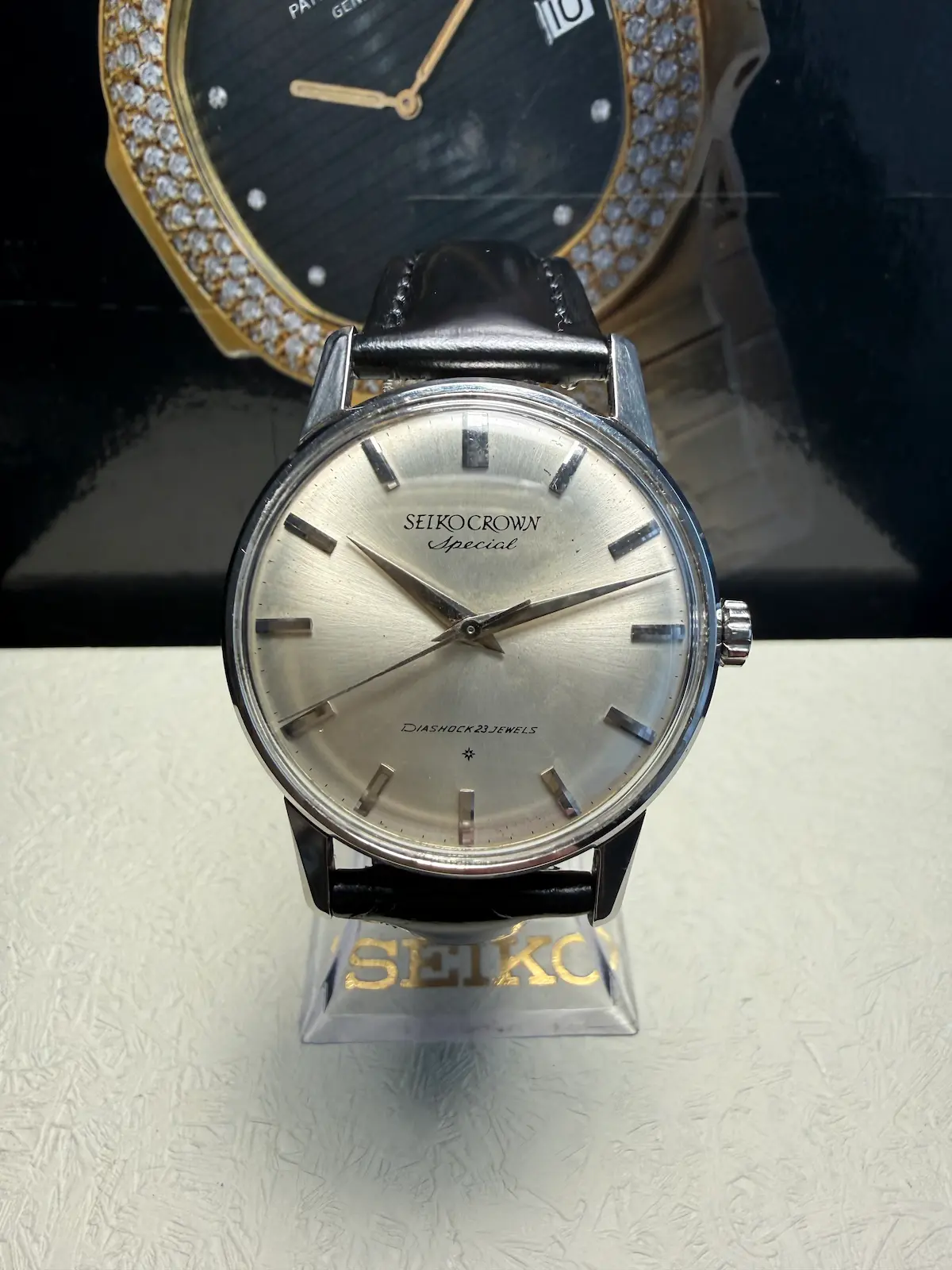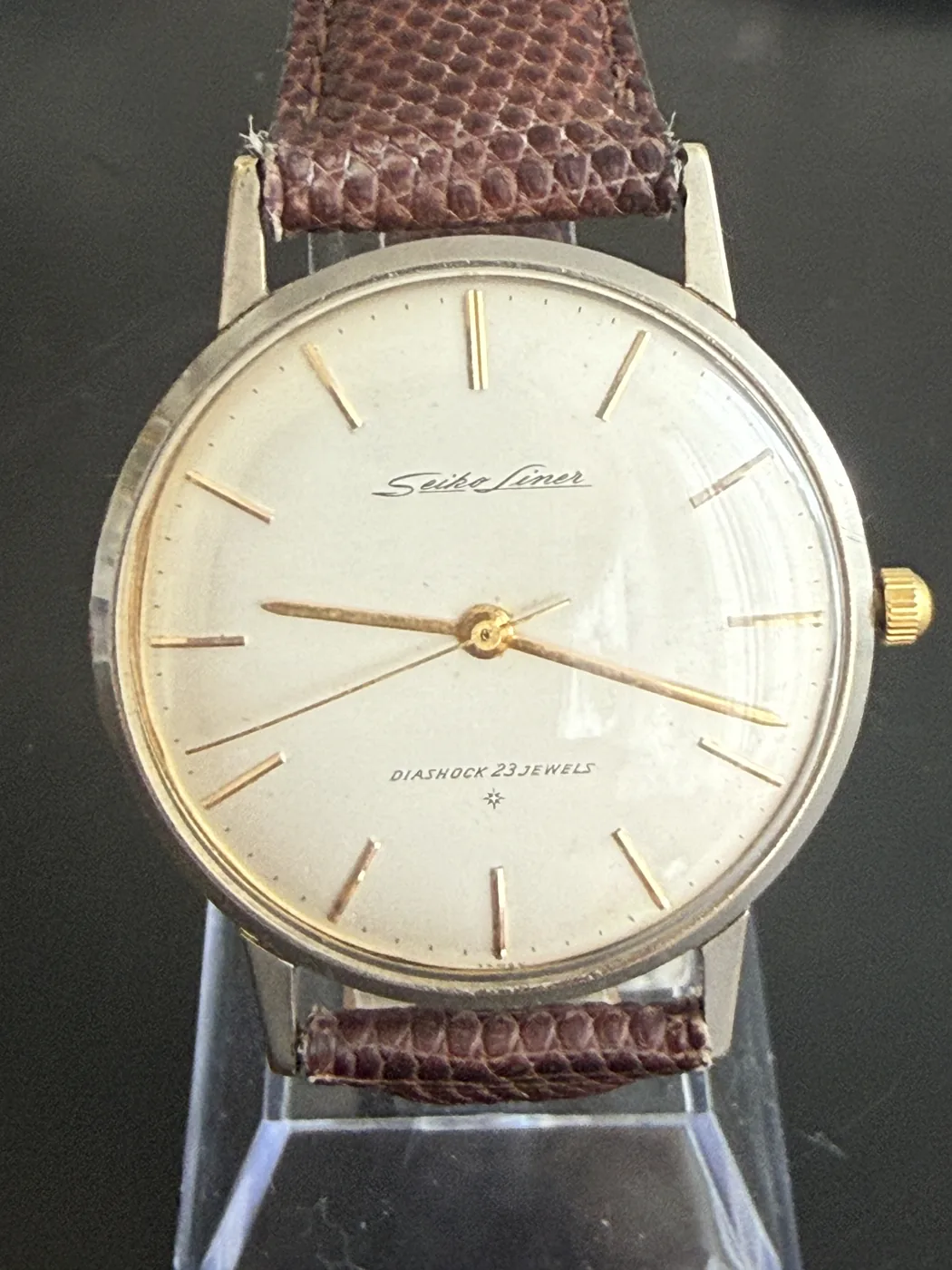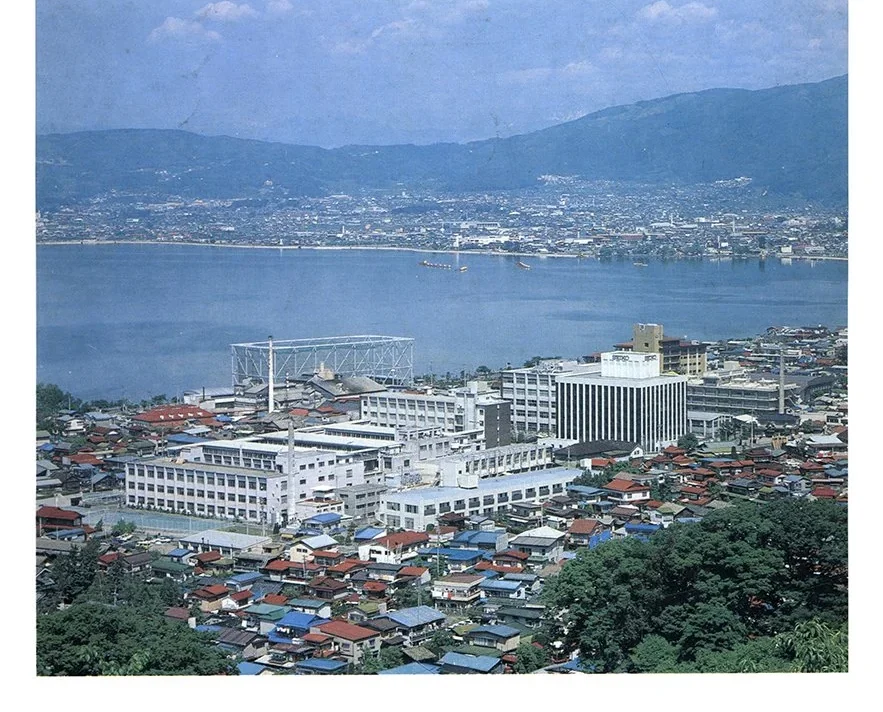
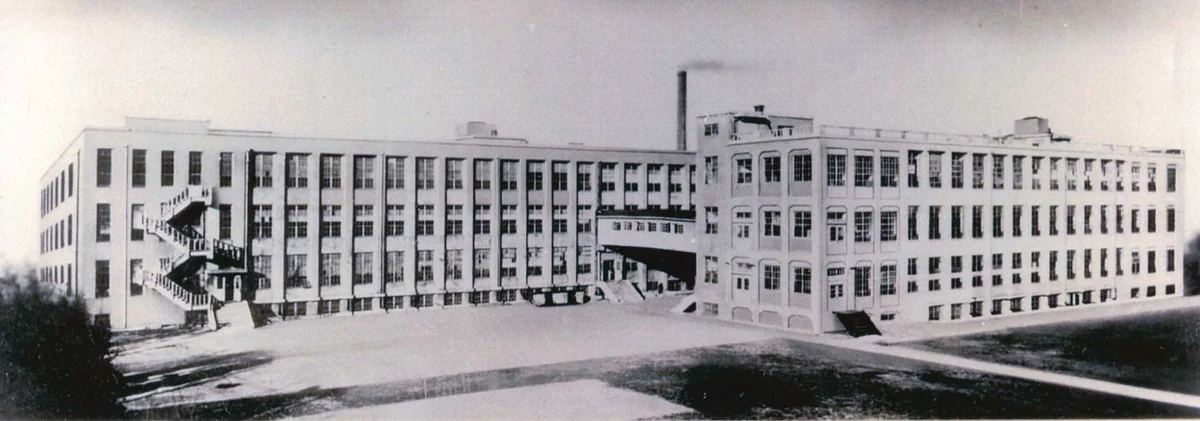
The short answer: Suwa and Daini were Seiko's two watch factories. Suwa Seikosha was in Suwa, in the mountains of Nagano, and later became Seiko Epson. Daini Seikosha was in Tokyo and later became Seiko Instruments. Both belonged to the same Hattori family and both made watches signed "Seiko", but from 1953 they had separate management and were set to compete with each other. Almost every vintage Seiko from the 1950s to the 1970s was built by one or the other, and on most of them you can see which one.
Suwa and Daini at a Glance
| Suwa Seikosha | Daini Seikosha | |
|---|---|---|
| Where | Suwa, Nagano | Kameido, Tokyo |
| Origin | Wartime joint venture with Daini (1943), an independent subsidiary from 1959 | Spun off from the original Seikosha factory in 1937 |
| Became | Seiko Epson | Seiko Instruments |
| Factory mark | A curling swirl | A jagged thunderbolt |
| Breakthrough movement | Marvel, 1956 | Caliber 54 (Cronos), 1958 |
| Top line | Grand Seiko, born here in 1960 | King Seiko, born here |
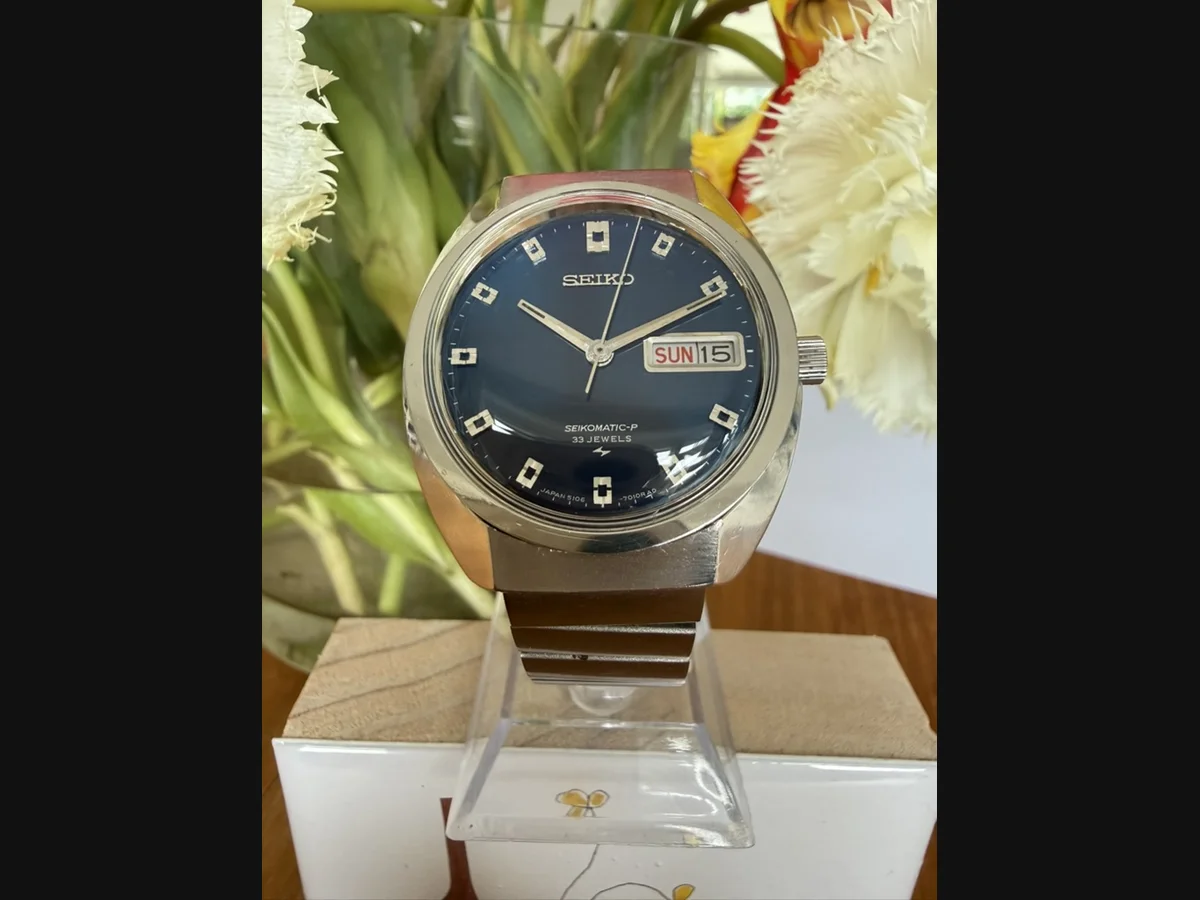
| Known for | Divers, Seikomatic, Crown, Lord Marvel, Magic Lever and Diashock | Seikomatic-P, Sportsmatic 5 Deluxe, Lord Matic Special, 44GS and 45GS |
| Main market | Mostly export | Mostly Japan |
| Character | Refined, slim, built to last | Technically ambitious, more complications |
How to Tell a Suwa from a Daini
You can usually tell which factory built a vintage Seiko without opening it:
- Look for the factory mark. Many dials (often near 6 o'clock) and many casebacks carry a tiny symbol. Suwa used a curling swirl; Daini used a jagged thunderbolt. The exact shape varies a little from model to model.
- Check the model. Some lines belonged to one factory only. The vintage Seiko divers, from the 1965 62MAS to the Turtle, were Suwa designs. The Cronos, the Seikomatic-P and the Lord Matic Special are always Daini.
- Check the caliber. The caliber number on the caseback (the first four digits of the reference, for example 5216-6040) tells you the movement family. Look it up in the list on our Seiko page.
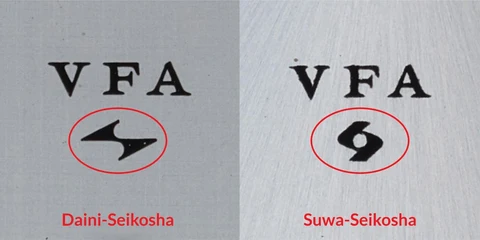
The factory marks on two Grand Seiko V.F.A. casebacks: Daini's thunderbolt (left), Suwa's swirl (right).
A warning about the brands. "Grand Seiko means Suwa, King Seiko means Daini" is only partly true. Daini also built Grand Seikos (the hand-wound 44GS and the hi-beat 45GS), and Suwa built its own King Seiko, the automatic 56KS. The everyday Seiko 5 line ran at both plants: Suwa's 6100 family and Daini's 7000 family. So always check the mark or the caliber, not just the name on the dial.
The Seiko family tree, 1956–1976
Here is how the two factories' main lines grew, side by side. Read each row from left to right. Watches in gold are in our shop right now; click one to see it.
Suwa Seikosha — Nagano
Daini Seikosha — Tokyo
Our own simplified drawing of the main lines, based on collectors' lineage charts and the research of David Flett and Pedro Mendes. An arrow means "led to" or "was developed from", not always a direct successor.
Was It a Real Rivalry?
Yes and no. In 1953 Genzō Hattori gave the two factories separate management and told each to do its own research, and the result was a race. Suwa produced the Marvel in 1956, a big step beyond the Swiss-style "Super" movement both factories had been building; Daini answered with the caliber 54 Cronos in 1958. Through the 1960s both released new models at a furious pace.
But it was never hostile. Suwa invented Diashock and the Magic Lever and handed both straight to Daini. When Seiko entered the Swiss observatory trials, the two factories pooled their best parts and specialists, and every entry, Suwa's included, ran on Daini mainsprings. Hirokazu Imai of Seiko Epson, Suwa's modern descendant, described them as brothers: Daini the second son, Suwa the third.
You can see their different characters in one pair of watches. Suwa's Seikomatic-R is slim, simple and reliable; Daini's Seikomatic-P packs 33 jewels, hacking seconds and a quick-set calendar into a similar case. We compare the two in detail in The Seikomatic Rivalry: Where Suwa Met Daini.
Which Is Better, Suwa or Daini?
Neither. Collectors argue about it, but both factories built excellent watches, and both built a few that are among the finest Seikos ever made.
- Suwa had the stricter testing. From 1960 it checked every Grand Seiko movement to a standard as demanding as the Swiss one. That is why Grand Seiko was placed above King Seiko.
- Daini often took more technical risks, and its best work was superb. Its 44KS movement was so good that Seiko asked Daini to build a Grand Seiko around it, the 44GS, now one of the most admired vintage Seikos. At the 1968 Geneva trials, Daini's mechanical movement scored higher than every other mechanical entry.
For a buyer, the factory matters less than the watch itself: originality, condition and how it runs. But knowing which factory built your watch adds to the story, and a few pieces, such as early Suwa divers or Daini Grand Seikos, are worth more for it.
For the full history, from Kintarō Hattori's Ginza shop to the end of the Neuchâtel trials, read the Seiko story on our Seiko page.
Sources: David Flett and Pedro Mendes, "Seiko History: Daini & Suwa, Fact and Fiction", Beyond the Dial (2020).